Three major European opera productions have sold out in Shanghai. Can the city's new opera house turn opening excitement into lasting interest in an art form with a limited following in China?

Photo from CFP
by DING Xinyu, ZHU Qing
When the Shanghai Grand Opera House opened on October 17, it arrived with an enviable problem: tickets for its three headline opera productions had already sold out.
The new venue, six years in the making, opened alongside the 25th Shanghai International Arts Festival, bringing three major European productions to China for their Asian premieres: Aida by Russia's Mariinsky Theatre, Tosca by Venice's Teatro La Fenice and Der Rosenkavalier by Berlin's Staatsoper Unter den Linden.
Within 24 hours of tickets going on sale on July 28, Der Rosenkavalier had sold out its regular allocation, while nearly 90% of tickets for the other two productions had been snapped up. Buyers came from 25 countries and regions.
For a city investing heavily in its performing arts scene, the response was encouraging. But it also raised a question: Can a spectacular opening turn opera into something more than an occasional cultural event?
"Opera is still a niche market in China," Zhang Xiaoding, general manager of the Shanghai Grand Opera House, told Jiemian News. The combination of a new landmark venue and prestigious international productions, she said, had given audiences a rare opportunity they did not want to miss.
Opera faces considerable competition in China's increasingly crowded performing arts market.
Musicals have developed a substantial following, particularly among younger audiences, while symphony concerts are generally more accessible than full-scale operas.
WU Yutong, an undergraduate studying music education and vocal performance in Wuhan, encounters opera regularly in her coursework but rarely chooses to attend one for pleasure.
She told Jiemian News that opera's emphasis on vocal technique and orchestral music, along with plots and theatrical conventions developed centuries ago, can make it difficult for contemporary audiences to connect with.
Even among her fellow music students, she said, musicals tend to be more popular because their characters and stories feel more relatable.
WANG Siyu, deputy director of the Shanghai Symphony Orchestra, sees another explanation: exposure.
Opera audiences are smaller than those for symphonic music, which in turn attracts fewer listeners than popular music, he told Jiemian News. People naturally gravitate toward music they encounter frequently and can easily recognize or sing along with.
The new opera house's opening productions may therefore be an imperfect measure of long-term demand.
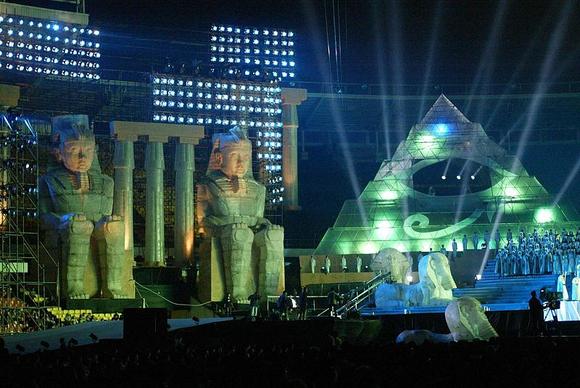
Shanghai has a particular history with Aida. A large-scale production marked the opening of the Shanghai Grand Theatre in 1998, followed by an extravagant staging at Shanghai Stadium in 2000, complete with monumental sets, fireworks and hundreds of performers.
The opera's return 26 years later taps into those memories.
BAO Rongrong, programming director of Shanghai's YOUNG Theatre, believes the opening productions are as much cultural events as performances.
The anticipation surrounding a major new venue, she told Jiemian News, can draw people who would not ordinarily consider attending an opera.
But attracting first-time visitors is only the beginning.
"Every performance is also a form of arts education," Bao said, comparing the experience to planting seeds that may eventually grow into a forest.
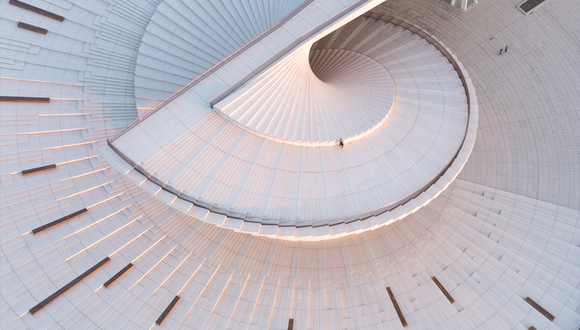
The Shanghai Grand Opera House has the infrastructure to become a major destination for international productions.
Its three performance spaces provide about 4,200 seats, while its advanced acoustics and large, six-section stage system allow multiple productions to prepare simultaneously.
The opening season also demonstrates Shanghai's growing appeal to international opera companies.
ZHONG Yicong, the venue's program director, told Jiemian News that Berlin's Staatsoper Unter den Linden had brought its full production of Der Rosenkavalier to Shanghai, without cutting sets or other elements for the overseas staging.
Yet bringing major productions to China is expensive.
Zhang said the sets and equipment for Tosca filled eight shipping containers, while Aida required more than 20 trucks. Staging or importing a major opera can cost tens of millions of yuan.
Ticket revenue alone is rarely sufficient to recover those costs.
"Government funding and dedicated sponsorship are needed to sustain operations," Zhong told Jiemian News.
The theater nevertheless intends to present artistically significant productions even when their commercial prospects are uncertain.
Opera companies and orchestras are also experimenting with ways to reduce costs and broaden their audiences.
The Shanghai Symphony Orchestra, for example, has spent roughly a decade developing concert performances of operas, preserving the music while dispensing with much of the expense of elaborate sets and costumes.
New interpretations can also make familiar works more visually engaging.
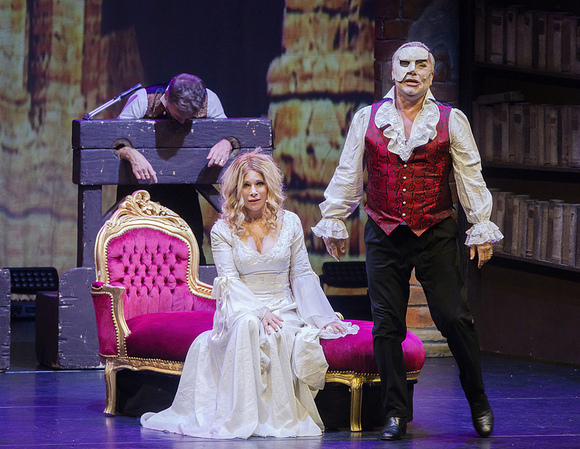
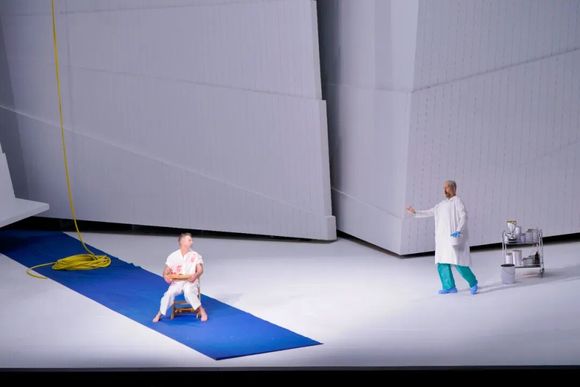
The opening production of Tosca moves its setting from 1800 to the 1950s, while Der Rosenkavalier shifts its story to the 1920s and incorporates multimedia elements and painterly stage designs.
Zhong said such changes are intended to complement the music and sustain audiences' attention during performances that can last four or five hours.
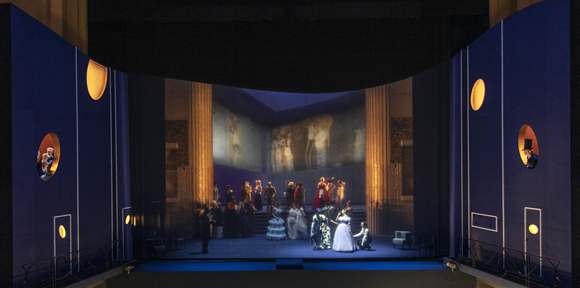
The Shanghai Grand Opera House is looking beyond the auditorium to cultivate future audiences.
Plans include exhibitions where visitors can listen to excerpts and learn to recognize musical themes, interactive activities for families and opportunities to explore opera through costumes and role-playing.
The venue also hopes to become a place people visit without necessarily attending a performance.
Zhang envisions its cafes, restaurants and public spaces as everyday meeting places rather than exclusive cultural destinations.
For Bao, that broader role is essential.
A theater should not be separated from the community around it, she said. Its value lies not only in what happens onstage but also in bringing people together.
The challenge for Shanghai's new landmark is therefore not simply to attract the world's leading opera companies or fill thousands of seats during a celebrated opening season.
It is to give people enough reasons to return — and perhaps discover that opera is an art form they can enjoy.