Distinctive designs, word of mouth and easier travel are drawing overseas shoppers to Shanghai's independent labels, prompting stores to adapt their staffing, payments and stock.

by LOU Qiqin
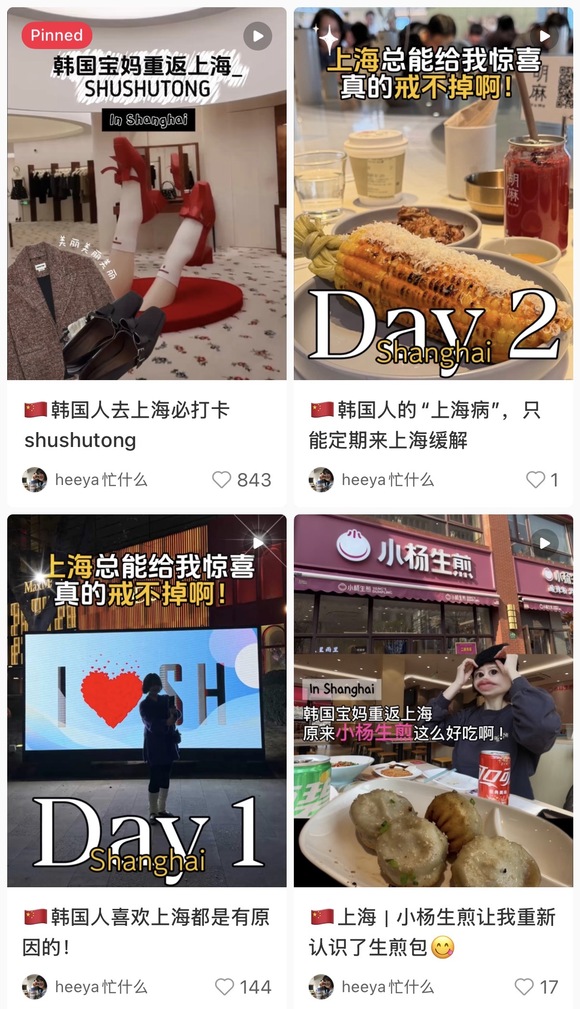
For Heeya, a South Korean shopper who documents her travels on Xiaohongshu, Shanghai has become a place worth returning to every few months. Sometimes, she makes a detour while visiting another Chinese city for work.
In a recent series of video diaries about her return to Shanghai, she explained the attraction simply: she loves shopping there.
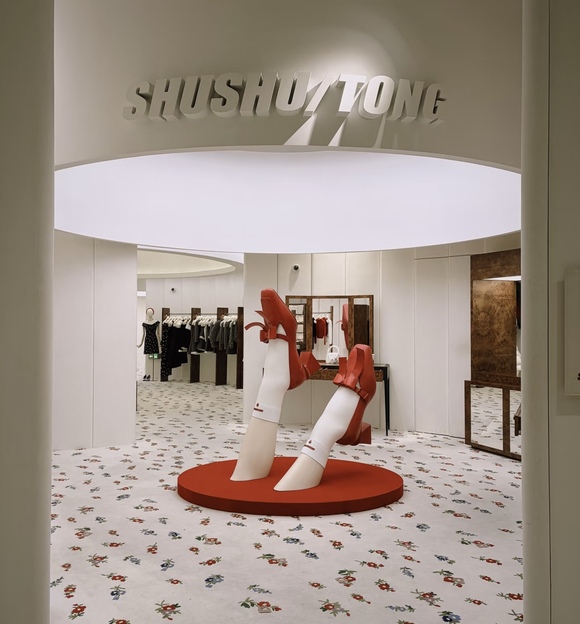
On her previous visit, in June 2025, she discovered the SHUSHU/TONG store at JC Plaza. The Chinese designer label's cake installation and floral wallpaper provided a backdrop for photos, while the clothes' intricate details persuaded her to take home a knit top and earrings.
Over the past decade, Shanghai has become a base for Chinese designer labels, initially led by young founders returning from overseas. Platforms such as Shanghai Fashion Week and Design Shanghai have helped them gain visibility, while multibrand boutiques, department stores and malls have provided routes to market.
These labels typically occupy the middle to upper end of the market, with pieces costing several thousand yuan and sometimes more than 10,000 yuan. Distinctive shop interiors are part of their appeal.
On her latest trip, Heeya made another stop at SHUSHU/TONG and devoted a separate video to the visit, recommending it to fellow South Korean travelers. She joked that she had yet to wear the knitwear from her previous purchase and had worn the earrings only once. This time, she left with a coat and shoes.
JIANG Yutong, who founded SHUSHU/TONG with LEI Liushu in 2015, told Jiemian News she had also seen posts by South Korean customers posing in the store in the label’s clothes.
The brand opened its first store in Shanghai. Its signature dresses typically cost 2,000 to 5,000 yuan, while custom pieces can exceed 10,000 yuan.
The label said visits from South Korean shoppers had increased since China introduced visa-free entry for South Korean nationals in late 2024. It began staffing the store with Korean speakers in January 2025.
South Korean customers now account for 30% of store visitors, according to the brand, which also counts 20 South Korean members who have made repeat purchases.
LABELHOOD, a local retailer with four stores around Julu, Fumin and Changle roads, has become another stop for South Korean shoppers. It stocks clothing, footwear, bags, accessories and lifestyle products, primarily from independent Chinese designers, and has built a reputation among customers for discovering emerging labels.
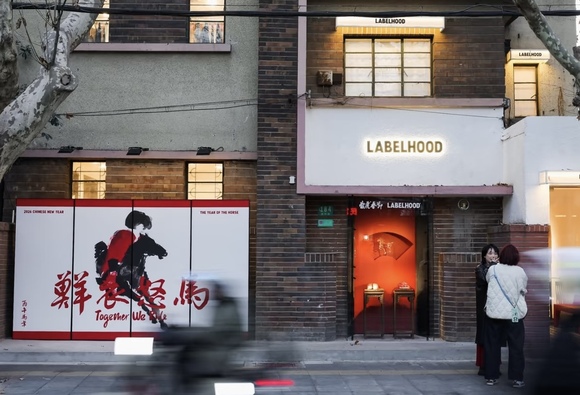
The retailer told Jiemian News that overseas shoppers made up about 30% of its visitors, with South Koreans the largest group. Most of its staff have studied abroad, including some in Japan and South Korea, helping the stores accommodate international customers.
Personal recommendations and social media are extending the reach of labels that first gained attention through Shanghai's fashion and retail networks. As travel becomes easier, these businesses are also giving overseas shoppers a reason to return.
On Anfu Road, Lost in Echo is seeing a broader mix of international customers. The Shanghai-founded label told Jiemian News that foreign shoppers recently accounted for about 40% of visitors to its store, with increasing numbers from Southeast Asia and the Middle East.
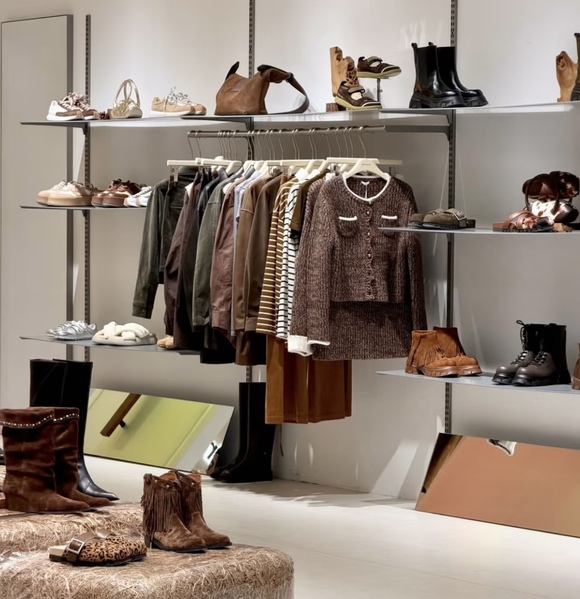
Founded in 2018, Lost in Echo has expanded from footwear into bags, accessories and ready-to-wear. Platform shoes and cropped tailored jackets are among its signature pieces. Shoes typically sell for 1,000 to 3,000 yuan, while winter coats cost around 4,000 to 5,000 yuan. Overseas customers have also been sharing photos of its shoes and jewelry on social media.
The store now ensures that at least one English-speaking employee is on each shift and requires staff to keep real-time translation tools on their phones. It accepts international credit cards and supports overseas customers using Alipay and WeChat Pay, while keeping enough change for those paying in cash.
Stock has changed too. After observing customers' fit and style preferences, particularly among the growing number from the Middle East, Lost in Echo began carrying more larger sizes and relaxed cuts.
Overseas shoppers interviewed by Jiemian News at the stores praised the service and ease of payment, but also the range of labels available.
Lulu, from Italy, named MAYALI, Yingpei Studio, FENGYI TAN, STAFFONLY and FFIXXED STUDIOS among the Chinese brands she liked.
"Very creative, comfortable to wear, with great materials and excellent quality," she told Jiemian News. She often recommends the labels to friends in Britain and Italy, who ask about her clothes and are surprised by the variety of styles she wears.
The stores themselves provide another draw: places to take photos. Lost in Echo said many overseas customers wanted to photograph their outfits after trying them on. It allows photography and creates displays with that in mind.
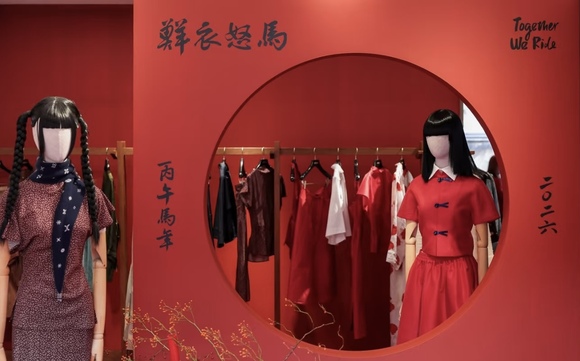
Ahead of the Lunar New Year, LABELHOOD and SHUSHU/TONG also installed seasonal decorations. SHUSHU/TONG stocked extra knitwear, dresses and small accessories suitable for gifts, reflecting overseas shoppers' preferences.
Still, visitors said they usually arrived knowing a particular label and only later discovered how many others were worth visiting. Some wanted an official shopping map or route linking Chinese designer stores, making it easier to explore beyond the brand that first brought them to Shanghai.