Mass production could start in 2028, analyst Ming-Chi Kuo.

Photo from Jiemian News
by SONG Jianan
OpenAI is exploring the possibility of developing its own smartphone, Hong Kong-based TF International Securities analyst Ming-Chi Kuo said on April 27, though the company and its potential partners have not confirmed the plan.
Kuo, known for tracking the consumer electronics supply chain, said OpenAI could work with MediaTek and Qualcomm on mobile processors, with Luxshare Precision seen as a potential system design and manufacturing partner. Mass production could start in 2028, Kuo said.
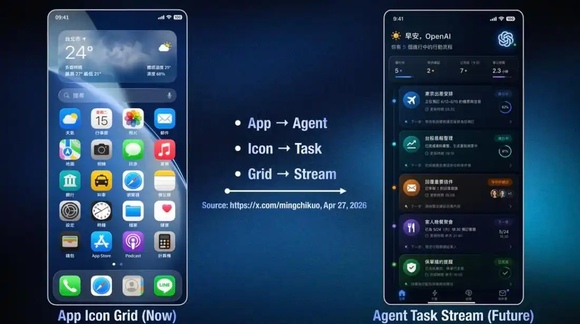
He said AI agents could shift smartphones from app-based use toward task execution, relying on real-time user context. That would place higher demands on chip efficiency and on-device AI, with more complex workloads handled in the cloud.
Key specifications and suppliers could be finalized in late 2026 or early 2027, potentially benefiting chipmakers through a new upgrade cycle, Kuo said.
OpenAI has been moving into hardware. In October, it announced a partnership with Broadcom to deploy AI accelerator infrastructure based on designs developed by OpenAI, with rollout planned through 2029.
The company is also developing ARM-based chips with partners including Arm and Oracle, alongside broader data center and semiconductor investments.
In May, OpenAI said it would buy AI hardware startup io, founded by former Apple design chief Jony Ive, for $6.5 billion, and indicated its first AI devices could launch as early as 2026.
Media reports also said OpenAI has built a hardware team of about 200 people, including former Apple executives Tang Tan and Evans Hankey, working on products such as a smart speaker, AI headphones and smart glasses.
A smartphone could extend OpenAI's hardware footprint across devices, though entering the market would require capabilities in supply chains, design and after-sales support. The sector is also highly competitive, with entrenched global players.
The move, if realized, would mark a further step beyond software, as AI firms seek greater control over user-facing devices.