They arrived lightly packed. They will leave with full suitcases – clothes, snacks and requested items for friends, along with gifts from relatives.

Photo from Jiemian News
by ZHOU Fangying
When WU Zeli's flight from California lands in Shanghai after more than 10 hours in the air, she does not try to adjust to the time difference.
She counts her luggage.
Three large suitcases and a carry-on. She packed light for the journey in. She knows she will not on the way back.
Pregnant with her second child and travelling with her three-year-old son, Wu flew to Shanghai with her husband, a native of the city. For him, it is an annual homecoming. For her, it is what she calls a once-a-year stock-up trip.
Wu moved to the United States in middle school and has lived in the Bay Area for years. In recent years, the couple have returned almost every Lunar New Year. The long flight is tiring, but once they land, they do not rest.
"We don't try to beat the jet lag," she said. "We go shopping."
Much of this trip has been spent along Nanjing Road, Shanghai's historic shopping thoroughfare.
Inside the malls, Chinese brands sit alongside global brands. Pop-up stores rotate quickly. Self-checkout machines and contactless payments are standard.
"At first I wasn't used to it," Wu said. "Now you scan the machine yourself or tap your phone. It's much faster."
The pace feels quicker than last year. She does not mind. The sheer range of choice is part of the attraction.
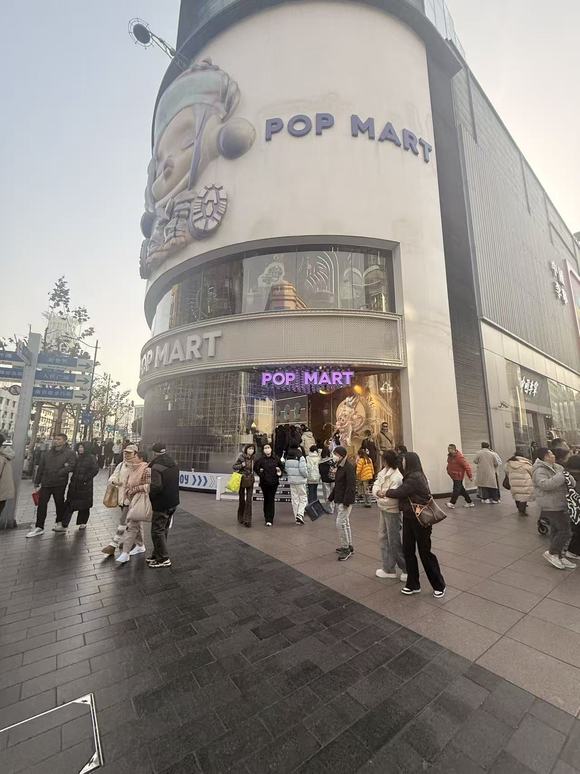
For many families returning from abroad, Nanjing Road offers a glimpse of how Shanghai's retail scene is changing. Tax refund counters for inbound travelers and frequent flagship openings highlight Shanghai's growing role as a retail destination.
Before she left the US, an American colleague asked her to bring back a Chinese-themed Adidas jacket spotted on social media. Some colors were already sold out. At roughly US$160 after conversion, it was not cheap.
"She just wanted the Chinese design," Wu said.
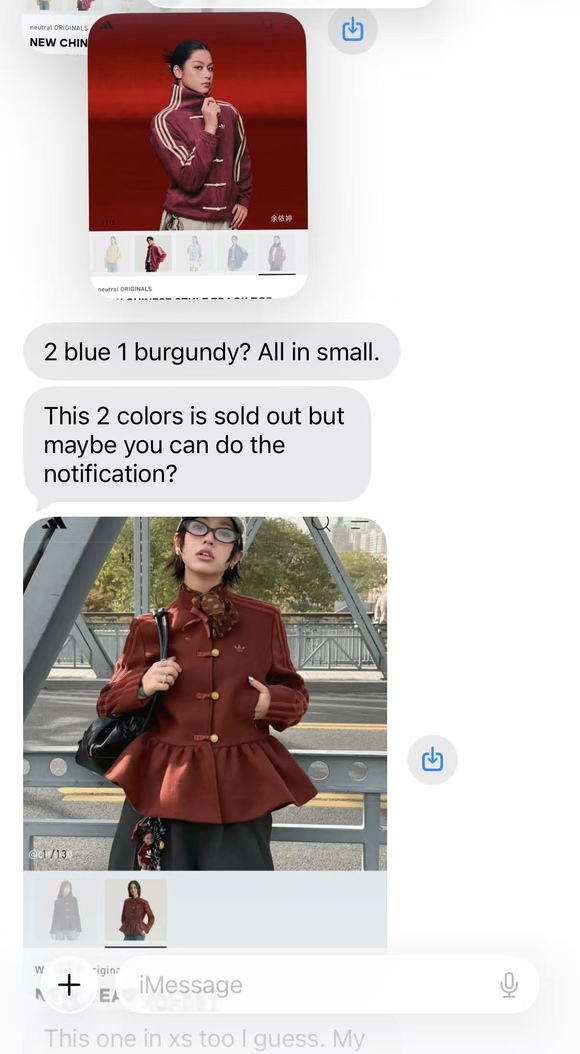
She has noticed growing interest in Chinese brands among people living outside China. She and her husband bought Li-Ning sneakers and hats. "In the US, people are pairing Li-Ning with streetwear," she said.
Children's clothing is another priority. Friends had already prepared bright jackets and sweatshirts from Chinese brands for her son, while older relatives insisted on premium labels for the New Year. Each visit, she said, the suitcase fills quickly.
Service is part of the appeal. On a previous trip, staff at a Chinese eyewear store adjusted frames and explained materials in detail. "In the US, you usually just pick and pay," she said.
Rising costs in America have also sharpened the contrast. Tipping prompts are now common, often starting at 15 per cent, and dining out has become more expensive in recent years, she said.
"Your dollar goes further here," she said.
She also makes time for Qibao Ancient Town, drawn to its more traditional atmosphere.
Snack stalls line the stone paths. A sugar artist shapes molten syrup into delicate figures as children watch. A piece now costs 30 yuan, far more than she remembers. She buys one anyway.
"It's less about the candy than the memory," she said.
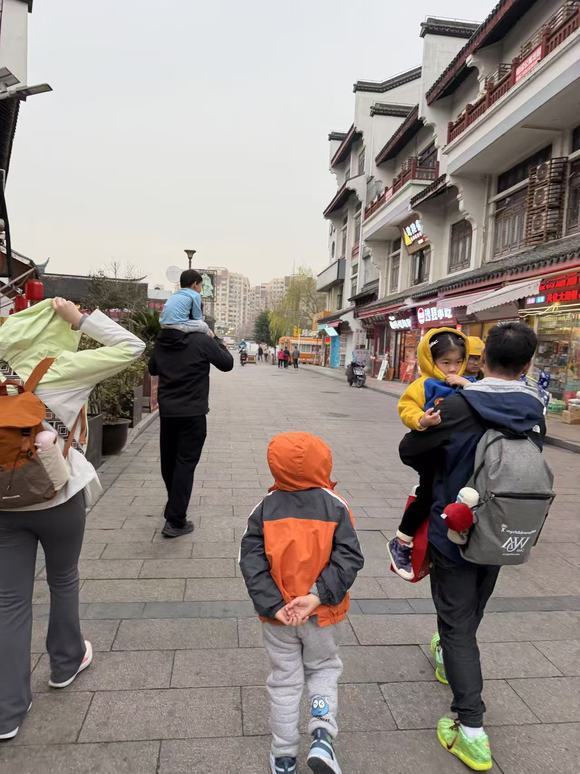
She contrasts the scale of public celebrations in Shanghai with holidays in the US, which tend to be more private. In Shanghai, malls extend opening hours, restaurants fill up and lion dances draw crowds.
After years in the US, she admits she has grown used to scanning her surroundings in public spaces. In Shanghai, she feels more at ease moving through crowded streets at night.
"You see people everywhere. It feels safe," she said.
This trip, she is also watching for the release of a new DJI Pocket camera. The previous model was more than 600 yuan cheaper in China than in the US, she said, and purchases qualify for departure tax refunds.
On an earlier visit, the family carried back a suitcase of Xiaomi smart home devices. Comparable products are available in the US, but she says China's devices integrate more smoothly across phones and home systems.
"It's not just about price," she said. "It's about how everything works together."
They arrived lightly packed. They will leave with full suitcases – clothes, snacks and requested items for friends, along with gifts from relatives.
On Lunar New Year's Eve, they will join extended family for reunion dinner. The couple once paid about US$600 to ship an automatic mahjong table to the US to recreate the holiday atmosphere abroad.
For Wu, the annual return is a way to bring back favorite foods, goods and a sense of shared celebration that is harder to recreate back in the US.
When her flight departs, her luggage will weigh more than when she arrived. She expects she will be back again next year.