The push for razor-thin phones has run into a hard limit: consumers still want cameras and battery life.

Photo by LI Jiaqi
by LI Jiaqi
Several major Chinese smartphone makers have quietly shelved plans for their own versions of "Air" phones — ultra-thin handsets once seen as the next frontier in premium hardware — after the devices stumbled in global markets, according to people familiar with the matter.
Xiaomi, Oppo and Vivo recently cancelled their Air-model projects, shifting features such as eSIM support into their mainstream lineups instead, supply-chain executives told Jiemian News. Xiaomi had envisioned a high-end Air device meant to compete directly with Apple's top-tier phones, while Vivo explored a slimmer offshoot of its midrange S series. None of the companies responded to requests for comment.
A few manufacturers have stayed the course. Honor is still developing a similar product without the Air branding, and Lenovo and Transsion continue to keep their Air lines alive.
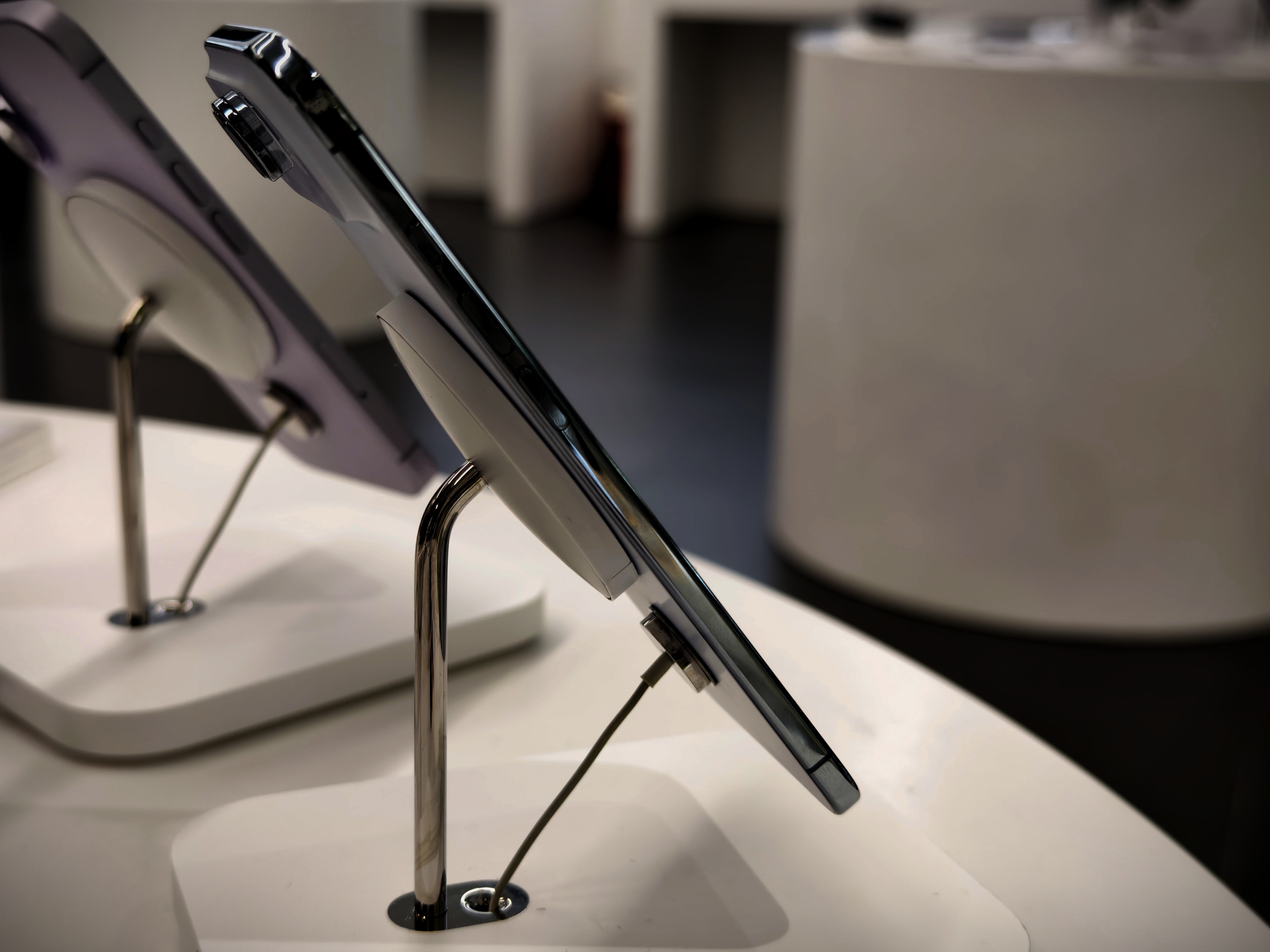
The broader retreat follows the disappointing performance of Apple's iPhone Air, released Oct. 22. The phone's sales have lagged so far behind expectations that major supplier Foxconn has dismantled most of its Air production lines, leaving "one and a half" in operation before a full shutdown later this month, The Information reported. Luxshare, another key supplier, stopped making the device in late October. Apple has also removed the next-generation Air from its internal release calendar, according to the report.
Yet one Apple supplier told Jiemian News the company has not formally cancelled future Air models. Engineers are still using the current version to test ultra-thin batteries and sensors — work that could feed directly into Apple's long-anticipated foldable devices.
Analysts say the problem isn't Apple. Omdia's LI Zegang noted that ultra-thin phones have struggled almost everywhere, not just in China. Samsung's Galaxy S25 Edge, which debuted earlier, has also fallen short of shipment forecasts. Phones under 6 millimeters thick, Li said, force painful trade-offs in battery life and camera performance — features consumers routinely prioritize over weight and dimensions. "Thinness alone no longer sells a flagship," he said.
One exception is Huawei, whose Mate 70 Air opened for preorders on Nov. 6 priced from 4,199 yuan. The phone packs a 6.6-millimeter frame, a 7-inch display and a 6,500 mAh silicon–carbon battery. Retail channels say the device has been moving around 10,000 units a month, with daily sales topping 5,000 during the launch of the Mate 80 series.
Huawei's willingness to experiment has helped, Omdia's HOU Lin says. The company has pushed aggressively into new form factors — from the Pura X "fat fold" to the three-panel Mate XT — and its Air devices have leaned toward practicality rather than extreme thinness. Larger displays, stronger cameras and longer battery life may be giving Huawei an edge even as other brands pull back.
But the broader lesson, analysts say, is that smartphones have entered an era of incremental gains, where no single feature or brand identity is enough to guarantee success. Manufacturers face rising pressure to strike a careful balance between design, performance and cost — and the fizzled Air moment may be an early sign of where that balance is shifting.